
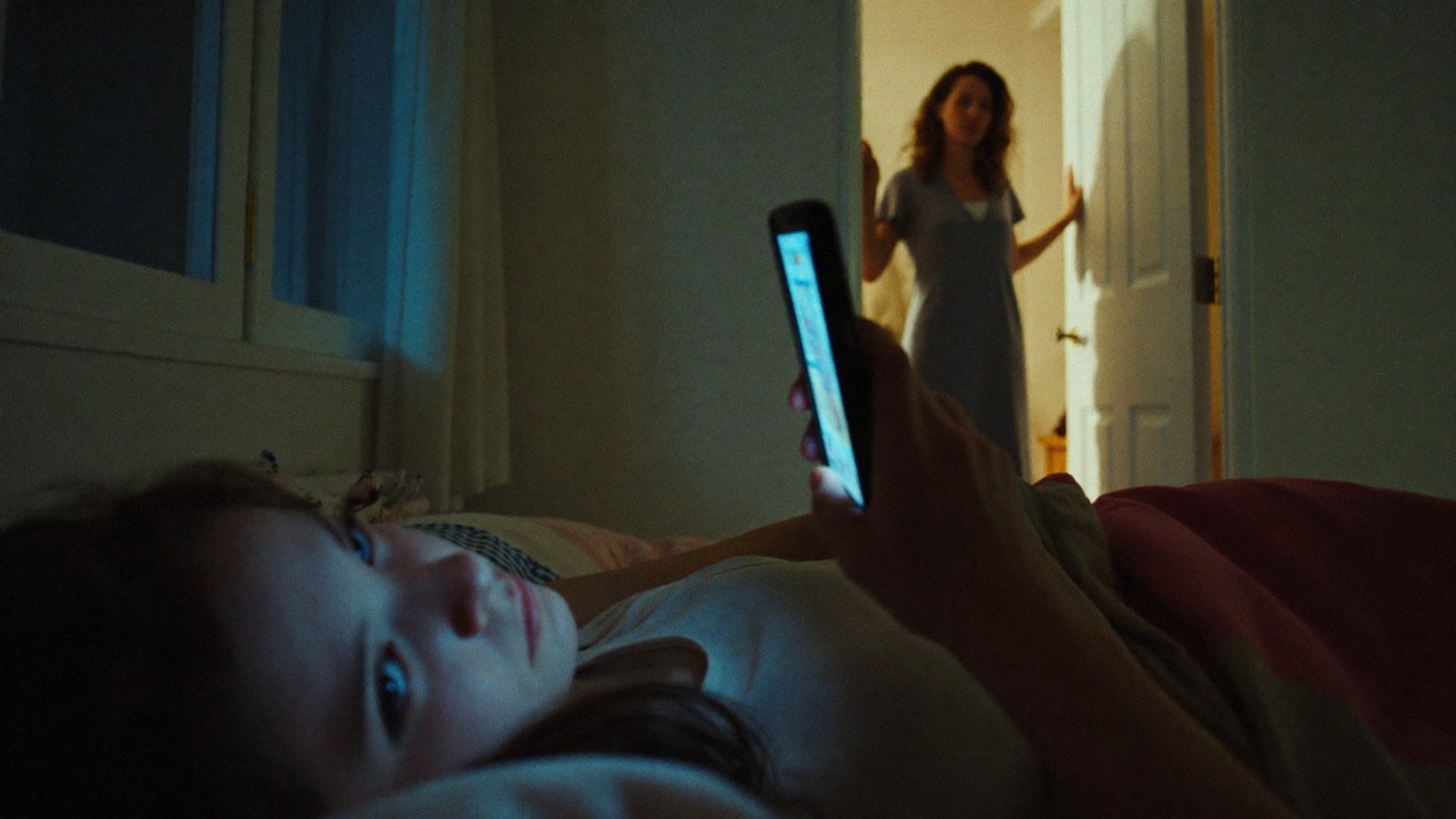
The technology that entered teenagers’ rooms - without knocking
When we adults talk about AI, we talk about a work tool: writing an email, summarizing a document, generating an image. For teenagers it is completely different. For them AI is not a tool - it is a presence: a homework helper, a fashion advisor, and sometimes a “friend” who is available at three in the morning when no one else answers.
In recent years we have had the privilege of supporting the marketing of ELEM - Israel’s leading nonprofit for helping at-risk youth - and this work has given us a rare vantage point: how this technology really meets the younger generation, for better and for worse.
The worrying side: the new risks parents need to know
Professionals who work with teenagers now talk about phenomena that barely existed two years ago:
- Emotional bonds with chatbots. Teenage boys and girls who hold long, intimate conversations with AI characters. The total availability is comforting - but it can also deepen loneliness and replace real human relationships, at exactly the age when they are learning to build them.
- Fake images and sexual harm. AI tools make it possible to generate fake images of real people - and teenagers are both the victims and, sometimes without grasping the seriousness of the act, the perpetrators. Sexual extortion (sextortion) has gained new and dangerous tools.
- Wrong information delivered with total confidence. Teens who consult AI about dieting, emotional distress or relationships - and get answers that sound authoritative even when they are wrong or dangerous.
- The gap between parents and children. Today’s parents know Instagram and TikTok - but many of them have no idea that their child talks to a bot every night. You cannot protect someone when you do not know where they are.
The other side: why panicking and banning is the wrong move
And it was the work with ELEM that also taught us the other side: today’s teens are the most tech-savvy generation ever, and AI also opens doors for them - personalized learning, creative tools once reserved for professionals, and sometimes a first channel for asking for help for those too embarrassed to talk to an adult.
The approach of professionals in the field is not to “ban the technology” - that is a lost battle that only pushes teens away. The approach is to be there: to know the tools, to talk about them at eye level, and to make sure there is at least one adult the teen can turn to when something goes wrong.
What we did together: the summer campaign “It is hard for me to be alone during summer vacation”
Last summer is a concrete example of this work. At a time when teenagers are home alone more and the number of inquiries to ELEM Digital’s anonymous chat climbs, we produced a dual digital campaign together with the nonprofit, splitting the message for two audiences in parallel:
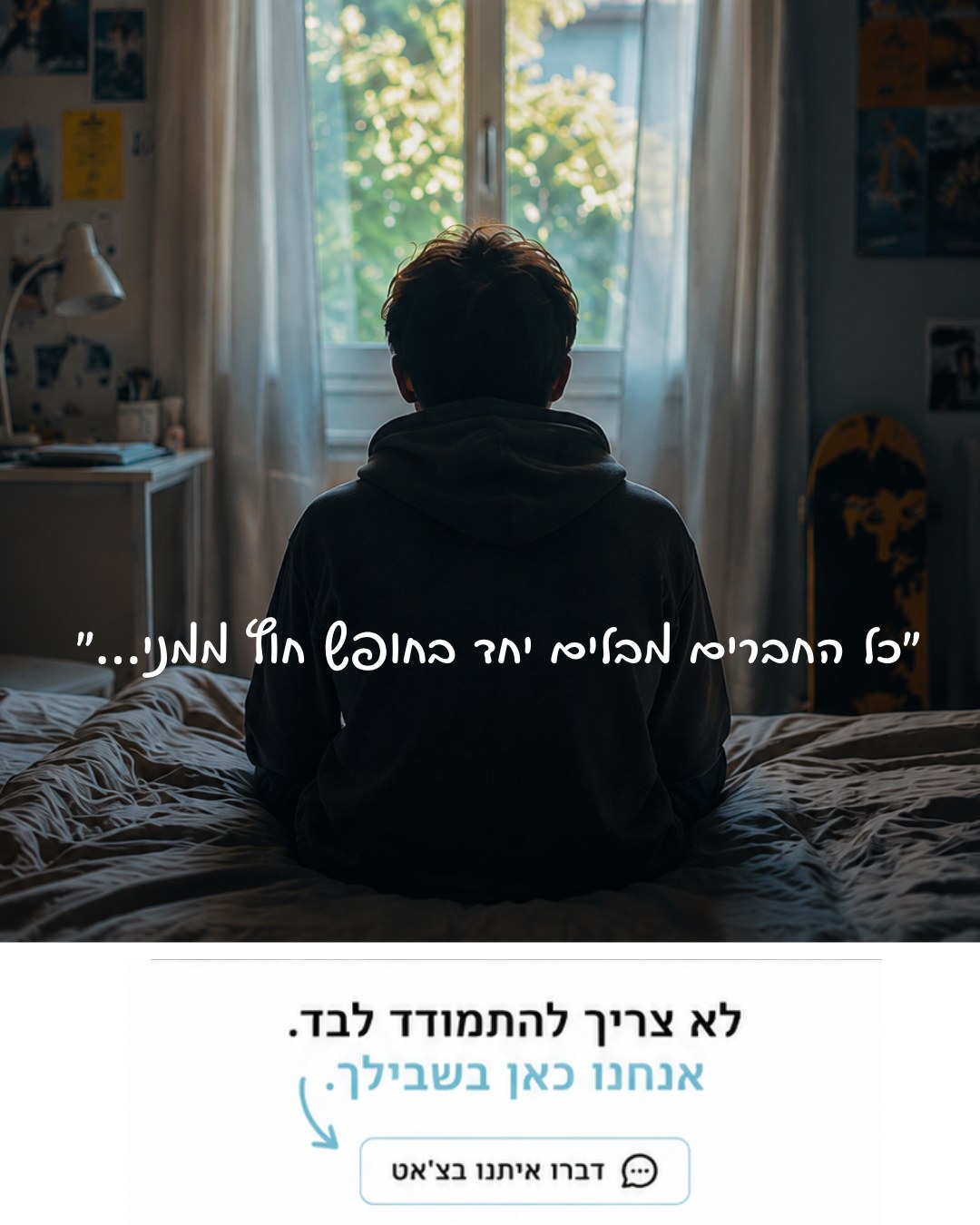
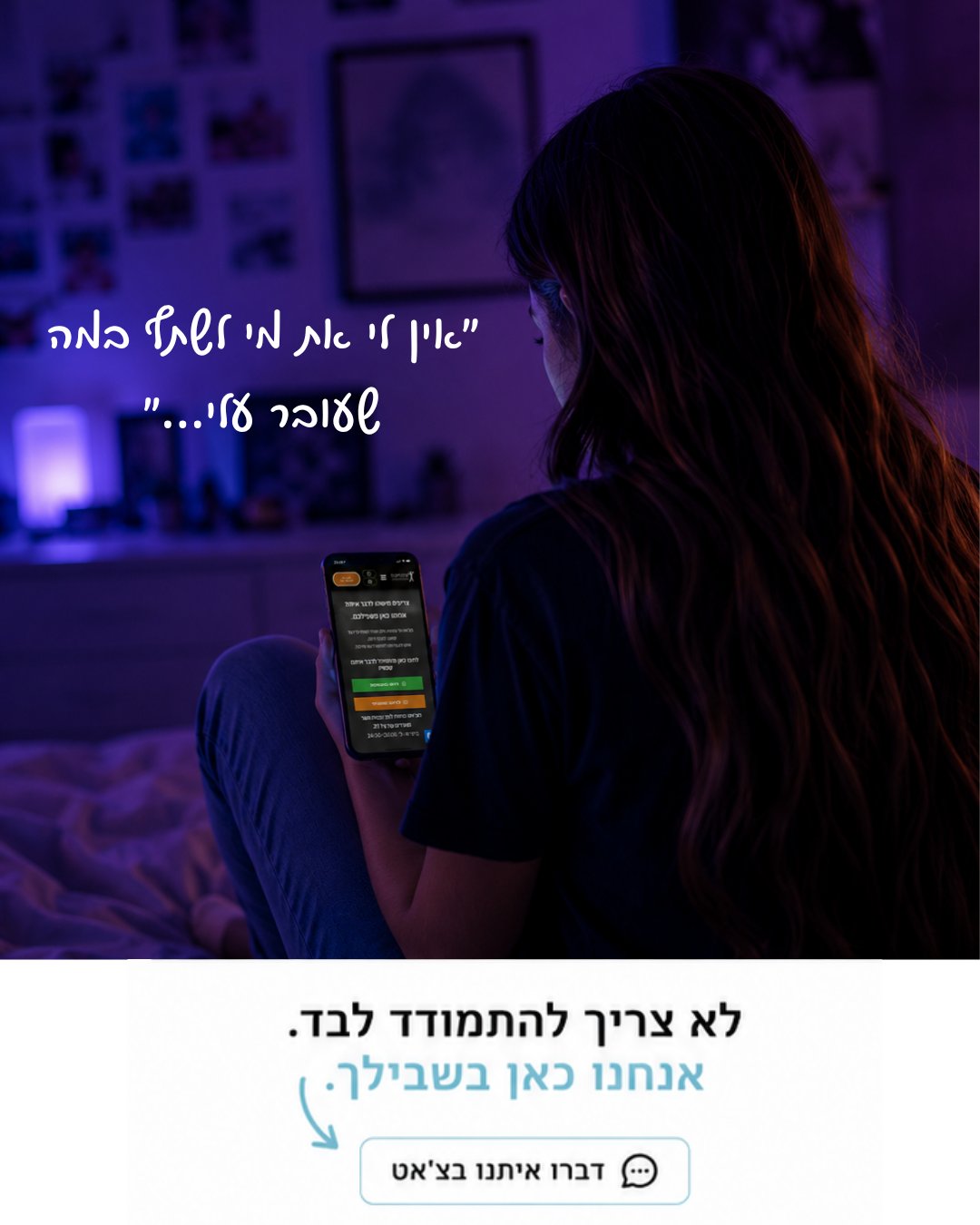
- Campaign for youth (12-25): A message of “You are not alone. There is someone to talk to, even without getting out of bed.” A quiet visual language that respects the user and does not frighten, based on real sentences heard in the chat - not on marketing slogans.
- Campaign for parents: A message of “Give your child an anonymous place to turn to, even when they are not talking to you.” A direct appeal to parents who want to give their children a safety net without being intrusive.


The campaign included videos, designs and a dedicated landing page - all with a direct call to action to ELEM Digital’s anonymous chat. You can see the full case study, including all the videos and designs, here: Full case study - ELEM Digital summer campaign →
What can business owners learn from this?
- The younger generation spots a fake instantly. Anyone who markets to a young audience with generic AI content gets burned. Authenticity is not a buzzword, it is the price of entry.
- Responsible technology wins. The right mix is not “as much AI as possible” but AI in the right places, with human judgment in the sensitive ones.
- Marketing with meaning works. The campaigns we are proudest of are the ones that move something in the world - and that is exactly the kind of work that also strengthens the brand of whoever does it.
Do you run a nonprofit or a social organization? We know the unique challenges - a limited budget, a sensitive message, multiple audiences - and we would be glad to think together about how to go further.
Contact us